
Kidneys play an important role in maintaining overall health. They filter waste products from the blood, remove excess water and salt, help regulate blood pressure, and support red blood cell production. However, kidney problems can develop gradually without causing noticeable symptoms in the beginning.
Many people ignore minor changes such as swelling in the feet, unusual tiredness, foamy urine, or frequent urination. These symptoms may appear harmless, but sometimes they can indicate changes in kidney function. Understanding the early signs of kidney damage can help people recognise possible problems and seek medical advice at the right time.
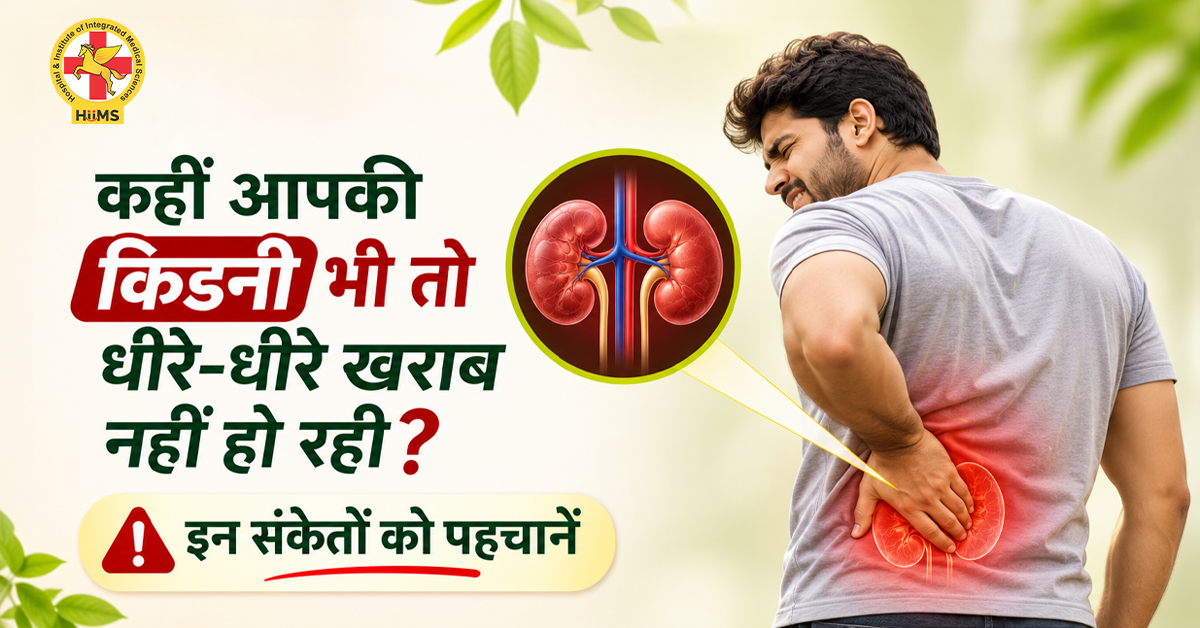
Why Are Early Kidney Problems Often Ignored?
One of the biggest challenges with kidney disease is that it may not cause pain during its early stages. People often associate tiredness with work pressure, swelling with weather changes, and changes in urination with daily habits.
However, these symptoms should not be ignored when they persist, especially among people with diabetes, high blood pressure, or a family history of kidney disease.
7 Warning Signs of Kidney Problems
1. Swelling in the Feet and Ankles
When the kidneys cannot remove excess water and salt properly, fluid may accumulate in the body. This can cause swelling in the feet, ankles, and around the eyes. Repeated swelling should be medically evaluated.
2. Foamy or Dark-Coloured Urine
Persistent foam in urine may indicate protein leakage. Dark brown or reddish urine can also require medical attention. A urine protein or albumin test can help identify possible abnormalities.
3. Frequent Changes in Urination
Waking up several times at night to urinate, sudden changes in urine output, or a burning sensation while passing urine should not be overlooked if these changes continue.
4. Unexplained Tiredness and Weakness
The kidneys produce a hormone that helps in red blood cell production. Reduced production of this hormone may contribute to anaemia, which can cause tiredness, dizziness, and weakness.
5. Loss of Appetite and Nausea
When waste products accumulate in the blood, they may affect taste and appetite. Some people may experience nausea, particularly in the morning.
6. Itchy and Dry Skin
Changes in kidney function can affect the balance of minerals and waste products in the body. Persistent itching and dry skin may sometimes be associated with kidney-related problems.
7. Breathlessness and Muscle Cramps
Fluid accumulation may contribute to breathlessness, while an imbalance in salts and minerals can cause muscle cramps, particularly in the legs. These symptoms require medical evaluation.
How Can Kidney Disease Be Identified?
Symptoms alone cannot confirm kidney disease because similar signs may occur due to heart, liver, or thyroid conditions.
Doctors may recommend several tests to evaluate kidney function:
- Serum Creatinine and eGFR: Help assess the kidneys' filtering capacity.
- Urine Albumin or Protein Test: Helps identify protein leakage in the urine.
- Blood Pressure and Blood Sugar Tests: Help assess important risk factors.
- Kidney Ultrasound: May be recommended when further examination is required.
People with diabetes, high blood pressure, or a family history of kidney problems should discuss regular kidney screening with their doctors.
Simple Habits That Support Kidney Health
Maintaining kidney health involves paying attention to everyday habits. Some useful practices include:
- Drink water according to your body's needs.
- Reduce excessive salt intake.
- Monitor blood sugar and blood pressure regularly.
- Avoid taking painkillers without medical advice.
- Include regular walking in your daily routine.
- Get creatinine and urine tests as advised by your doctor.
People with existing kidney problems may need individualised dietary and fluid recommendations according to their kidney function.
Understanding the Kidney Care Approach at Jeena Sikho HiiMS Derabassi
Jeena Sikho HiiMS Derabassi focuses on reviewing patients' medical reports and understanding their individual health requirements.
Its supportive kidney care approach includes a routine called GRAD, a two-plate pH diet, and consideration of Panchakarma therapies and herbal formulations after reviewing medical reports.
The GRAD routine includes sitting in lukewarm water at approximately 42°C up to the navel for 20–30 minutes, followed by lying down with the head lower and legs elevated for 10–15 minutes.
The two-plate dietary approach includes one plate of raw vegetables and salad and another plate of cooked vegetarian food. Potassium and water intake are decided according to the patient's eGFR.
These practices are considered supportive and are not substitutes for prescribed medicines or standard medical care. Patients should not discontinue ongoing medication or follow such routines without appropriate medical guidance.
People who want to discuss their medical reports can also connect with Jeena Sikho HiiMS Derabassi through its VOPD (Virtual OPD) facility.
Conclusion
Kidney problems can develop silently, making it important to pay attention to small changes in the body. Swelling, foamy urine, changes in urination, unexplained tiredness, reduced appetite, and persistent itching are some warning signs that deserve attention.
Timely testing, regular monitoring, and appropriate medical guidance can help people understand their kidney health. Instead of ignoring persistent symptoms, consult a healthcare professional and discuss the tests and care options suitable for your condition.